Hothouse is a podcast about design, ecology, and our human connection to the web of life. Produced and hosted by Leah Churner. Winner of the 2019 GardenComm Media Awards Silver Medal for “Best Podcast - Talent” and recommended listen by The Guardian, Austin Monthly, The Austin Chronicle.
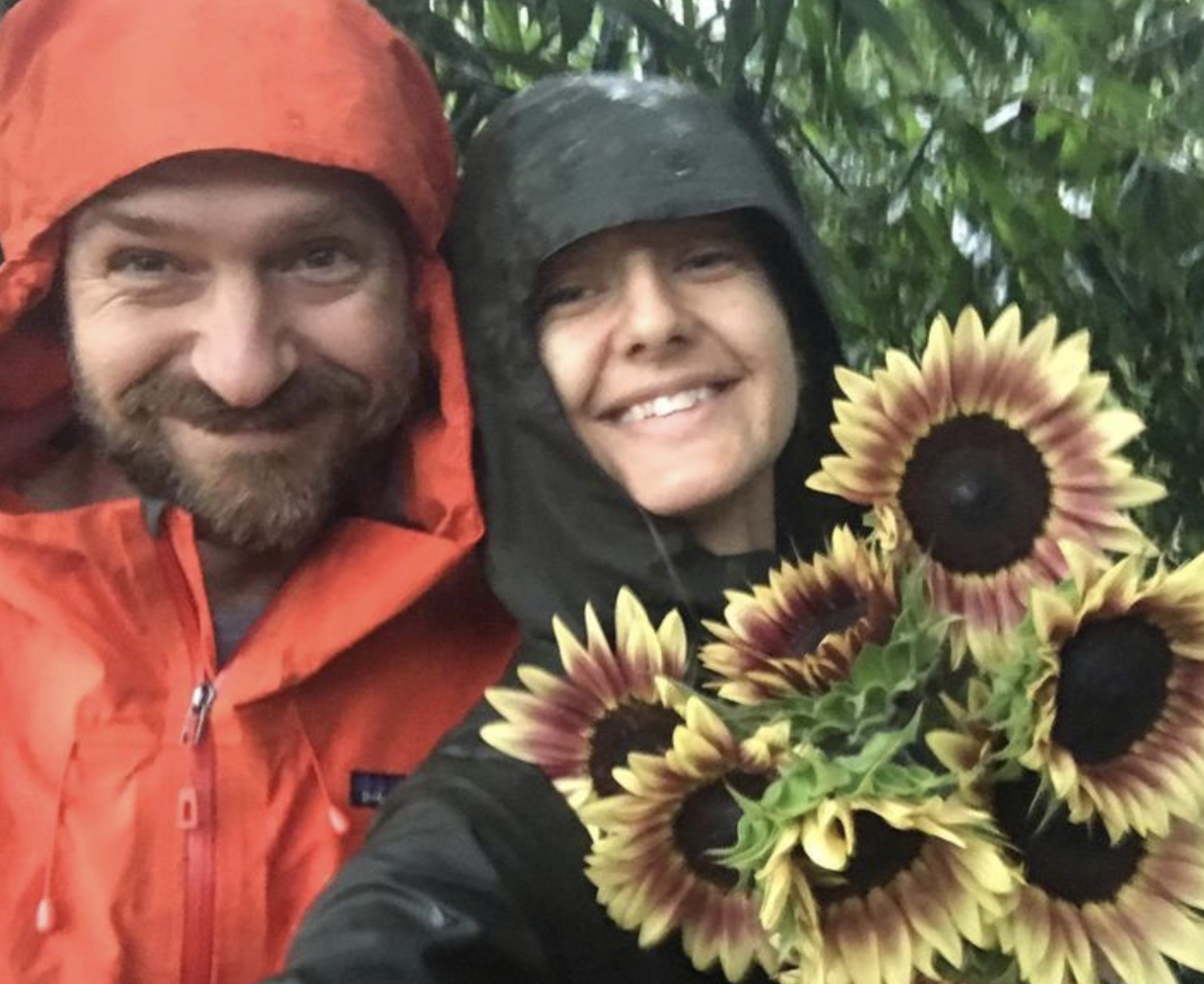
If you follow any flower farmers on Instagram, the romance may be all too tempting: picture yourself quitting the city, fixing up an old farmhouse, and spending your days harvesting flowers and arranging bouquets on a ten-acre homestead. Now imagine doing that in a fire-prone, flood-prone, deer-pressured, rapidly developing portion of Austin without access to well water or an agricultural property tax exemption. Sam Eberhardt and Dan Poole are farming on the razor’s edge, doing everything the hard way, and still somehow managing to make the dream look absolutely fabulous.
In this episode, we take a walk behind the scenes of Cassiopeia, a flower farm and orchard dedicated to ethical land stewardship, wildlife conservation, and “beyond organic” principles. Sam and Dan discuss the structural obstacles faced by small farms, their commitment to regenerative agriculture, and their “shotgun approach” to rolling with the punches of climate change.
Check out Cassiopeia Farm's farm-to-table CSA, the Best Buds Club, find their flowers at Austin Flower Company, Salt and Time, and Confituras, and follow them on Instagram.
This interview was recorded in February 2019. Music by Moonsicles.
Beyond Permaculture with Cassiopeia Farm (2021)
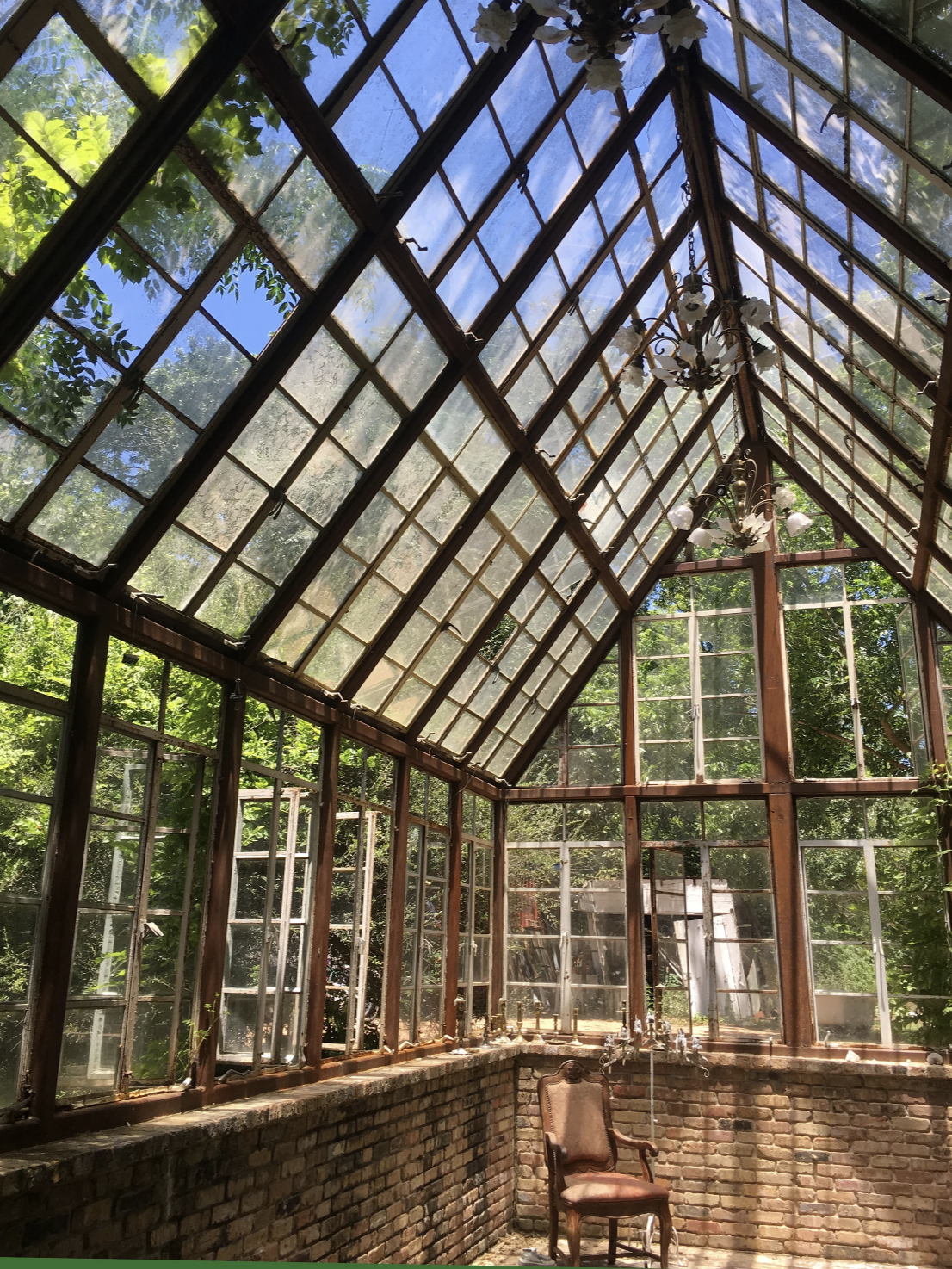
The upcoming season of Hothouse is devoted to climate change. I'll be talking to activists, artists, farmers, and journalists about the new normal that we face in 2019. How is climate change already affecting our lives? What can we do to limit global warming? And how are each of us reckoning, in our own personal ways, with the future?
"Belview" by C. Scott is licensed under CC BY 3.0
HOTHOUSE Season 2 Trailer
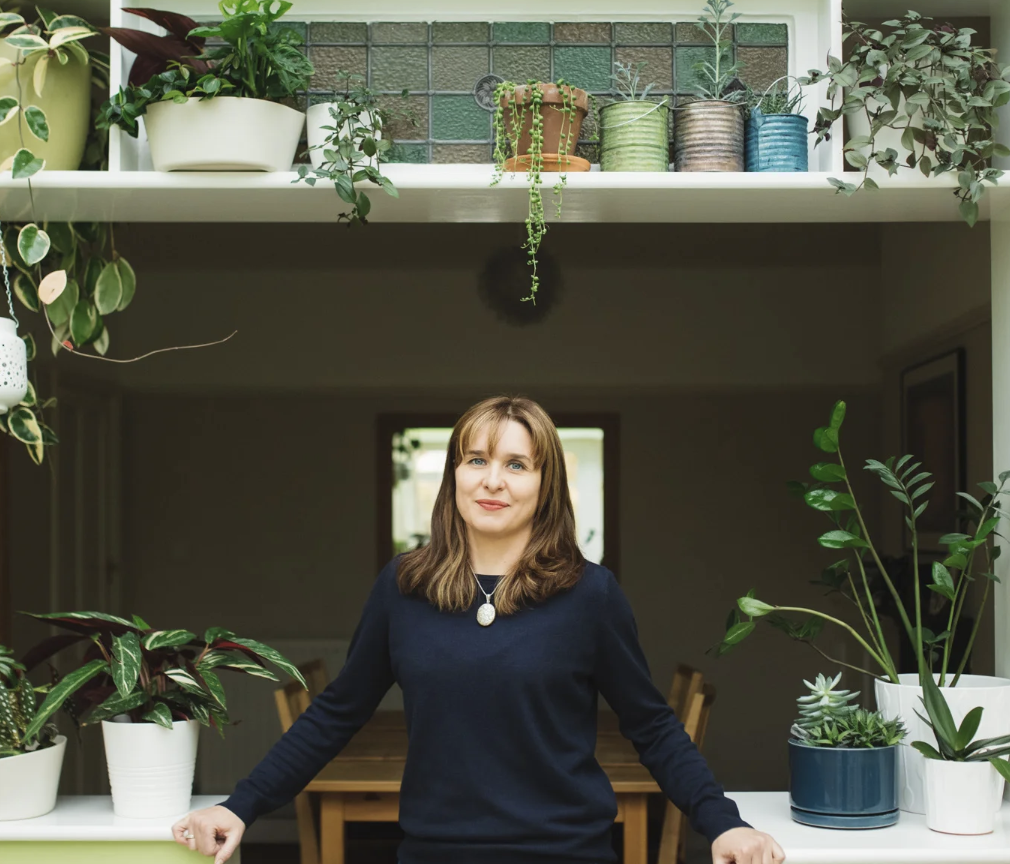
On this episode, we’re taking an intimate look at the the most domesticated plants of all: houseplants. These ecological oddities are truly dependent on their human owners to provide them with adequate light, water, and care. For that reason, we can’t help but project our feelings upon them.
My guest, Jane Perrone, is a London-based journalist and the host-producer of the indoor gardening podcast On The Ledge. Her show is partly about plant collecting, propagation, and care, and partly about the people behind the plants: the botanists, the growers, and the stars of “houseplant Instagram,” who all have a role in determining which species are hot, and which ones are not.
We’ll discuss Jane’s background, some myths and misconceptions of container gardening, and the human tendency to anthropomorphize our houseplants.
Do you name your plants? Play music for them? Do you love your plants to death? As Jane points out, overwatering is the leading cause of mortality for houseplants. Many seasoned gardeners still insist on adding “crocks” (broken pottery or rocks) to the bottom of pots, although science shows that this practice doesn’t help drainage, and can be detrimental to plant health. Then there’s the rather avant-garde notion of fertilizing your plants with bodily fluids. (Though there is a good argument to be made for the “menstrual option,” Jane has read up on the subject and says “it’s probably not a good idea.”)
At the top of the show, I’ll dive into the revealing history of the Aspidistra elatior, a houseplant once so iconic it was the subject of a popular song, the codename for an Allied “black propaganda” operation in WWII, and the central metaphor in a George Orwell novel. Today, the Aspidistra is barely considered a houseplant at all. Can this casualty of fashion ever come back in style?
Please subscribe, rate, and review Hothouse on Apple Podcasts! For detailed show notes, visit hothousepodcast.com. Email the show at info@hothousepodcast.com.
To learn more about On The Ledge, visit janeperrone.com or find the show on Apple podcasts. Find Jane on Instagram @j.l.perrone and on Twitter @janeperrone. Check out Darryl Cheng’s Instagram @houseplantjournal and his blog at houseplantjournal.com.
Books discussed in this episode are Keep The Aspidistra Flying by George Orwell, The Houseplant Expert by Dr. D. G. Hessayon and Potted History: The Story of Plants in the Home by Catherine Horwood.
Music in this episode is “The Biggest Aspidistra in the World” by Gracie Fields, “Rite of Passage” by Kevin MacLeod, licensed under CC by 3.00, and “Kid Kodi” by Blue Dot Sessions, licensed under CC BY-NC by 4.0.
Excerpts from “Radio Aspidistra” come from a BBC radio docudrama based on real events. I don’t have info about when this radio drama itself was produced. Accessed via Internet Archive, Palfrey-Kemp Collection.
Houseplant Confidential with Jane Perrone (2018)
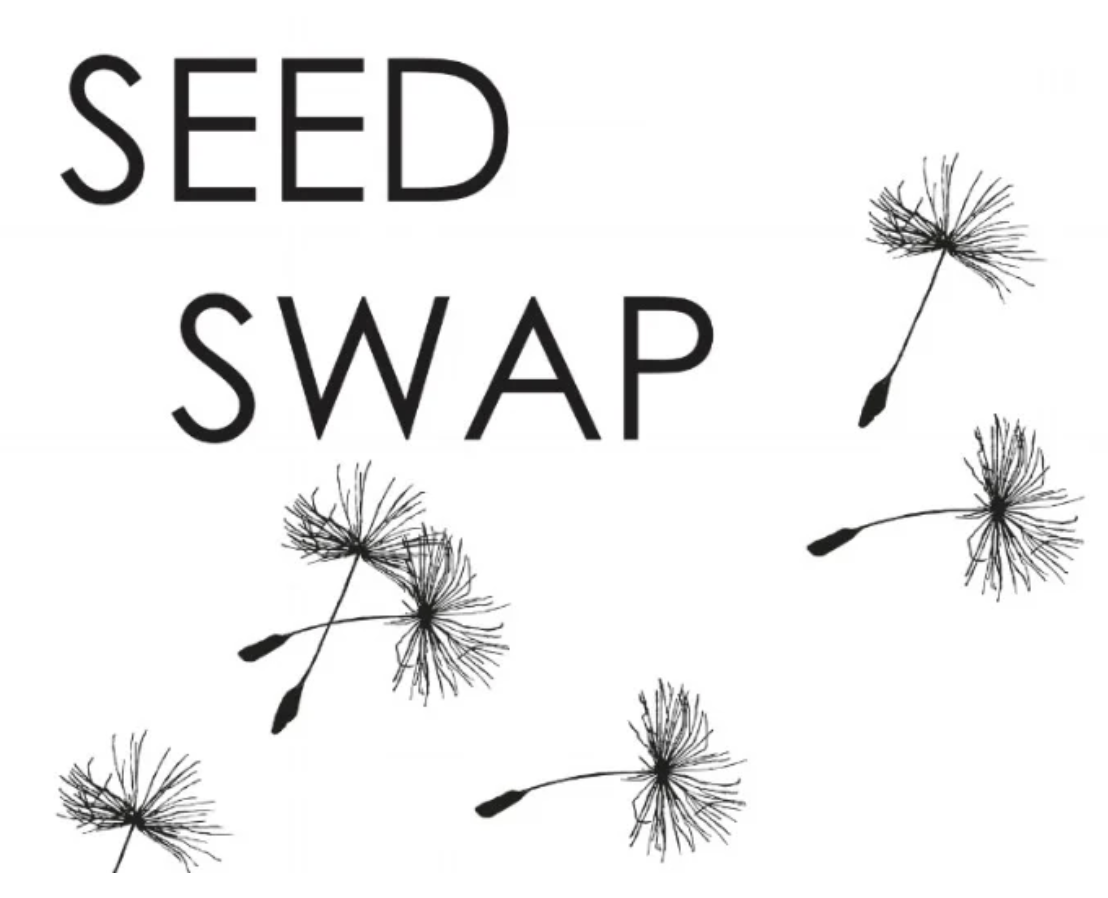
Colleen Dieter, co-founder of the the Central Texas Seed Library, talks about how saving, swapping, and sharing seeds can help us build community, reclaim lost agricultural knowledge, and preserve crucial genetic diversity in our global food supply.
Thanks to Colleen and a group of other volunteers and librarians, a seed library is coming soon to Austin’s fabulous new downtown Central Library. Here, anybody can browse and take home free, open-pollinated seeds to grow in the garden. In addition to a permanent home at the library and a mobile “seedmobile” that will travel to community gardens and farmers’ markets, the CTSL will host seed-swap events and classes. The first of these events will be held on October 20, 2018. (See flyer below.) For more info on the Central Texas Seed Library, visit them on Facebook.
Music this episode is “Elatan” by Gustav Landin and “Nostalgia of an ex-gangsta rapper” by Deef.
PS — Leah and Colleen are on KLRU’s Central Texas Gardenerand Fox 7’s Good Day Austin to talk about seed saving! Clips below.
Gone to Seed with Colleen Dieter (2018)
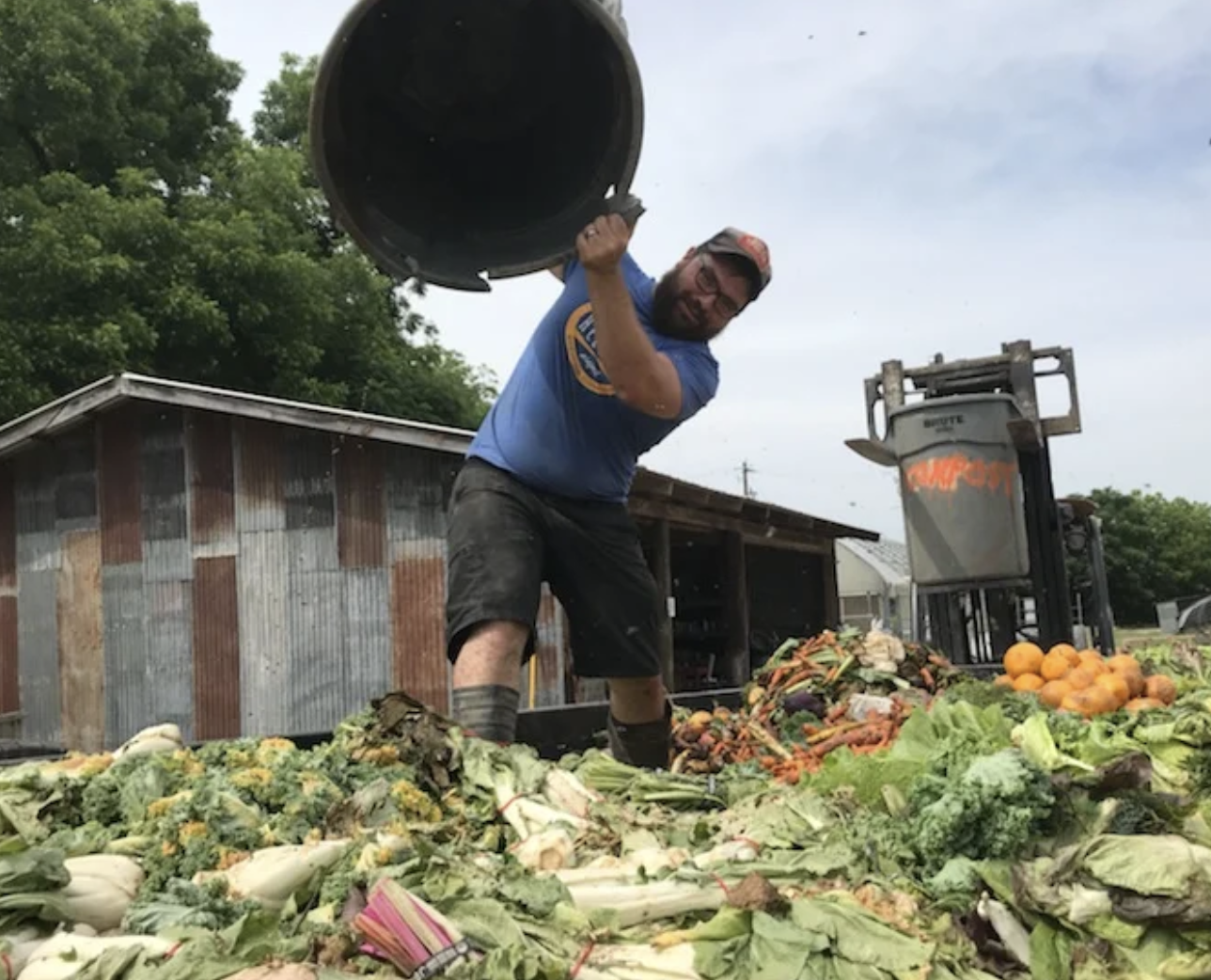
In Part 2 of the series “Nothing Natural About Capitalism,” Leah talks to Austin-based activist Ryan Rosshirt about permaculture design and the challenge of building a society that supports meaningful work. Like so many Americans, Ryan was jolted into political action by the rise of Donald Trump. He quit his desk job before the 2016 election to focus full-time on canvassing and advocating for social justice and environmentalist issues. At the same time, he discovered a passion for gardening; a small vegetable patch grew into the backyard farm where he’s growing a lot of his own food today. On this episode, Ryan talks about implementing permaculture principles to repair the ecosystem in his backyard. Also, he and Leah discuss the idea of “vocations,” the structural barriers imposed by capitalism that prevent people from enjoying meaningful work, and how the Austin chapter of the Democratic Socialists of America (DSA) is fighting business interests big and small to improve quality of life for workers.
Nothing Natural About Capitalism (Part 2 of 2) with Ryan Rosshirt (2018)
Nothing Natural About Capitalism (Part 1 of 2) (2018)
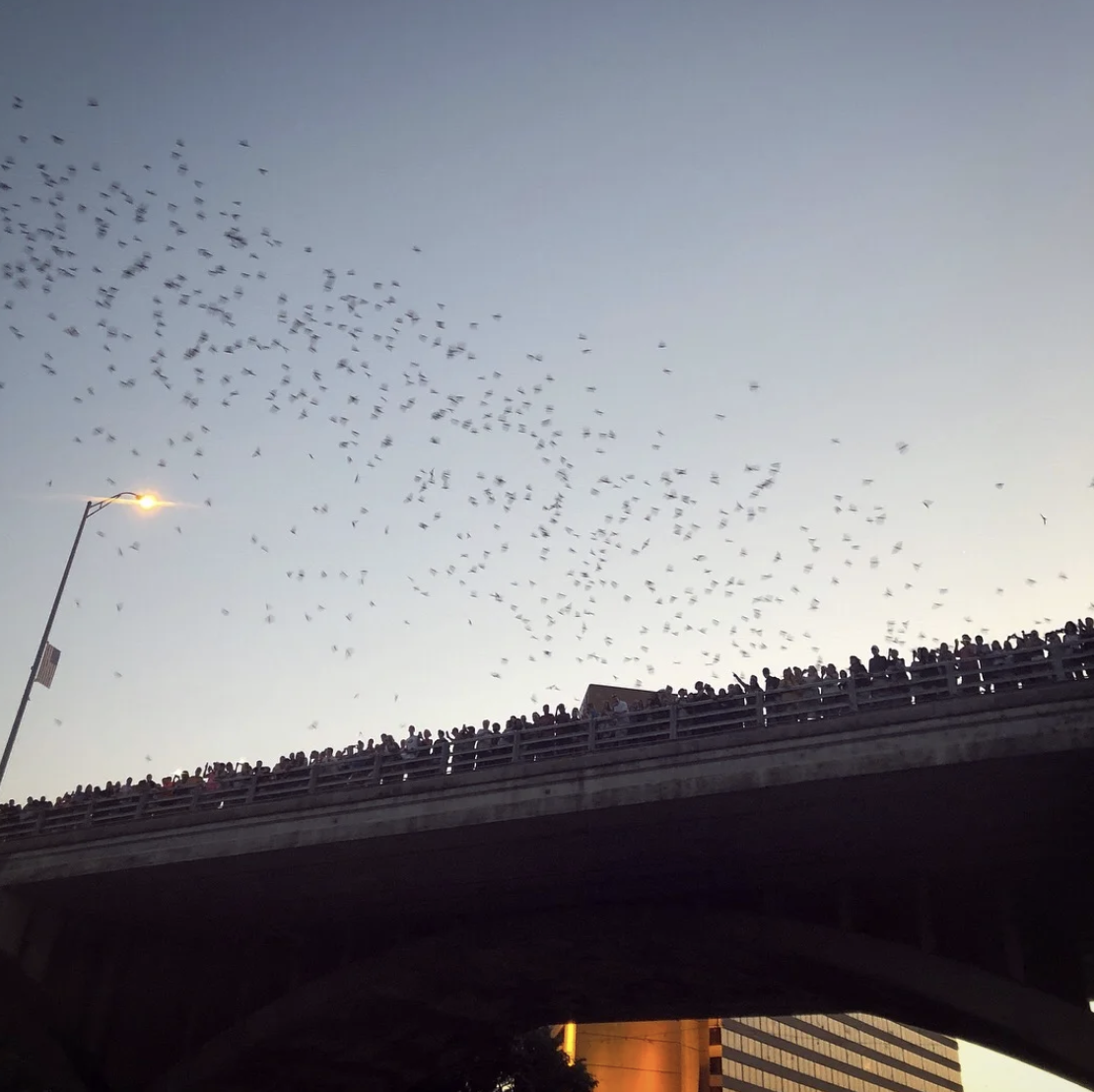
Capitalism: Can't live with it, can't live without it. Or can we? And what is the connection between capitalism and what we eat, how we work, and who bears the impacts of climate change? For a lot of us, the ecological consequences of our economic system are clear: factory farming, algae blooms, pollinator decline, and the Trump Administration's evisceration of the EPA. What, if any, are the alternatives? In this two-part series, "Nothing Natural About Capitalism," the Starship Hothouse will boldly go where no gardening podcast has gone before, as I attempt to articulate some nascent ideas about how the design principles of permaculture, combined with the populist vision of the Democratic Socialists of America (DSA), might offer a ray of hope in these dispiriting times. In Part 1, Mike Moody, co-host of the Star Trek Discovery Pod (and the engineer of this show) interviews me about how the connection between democratic socialism and environmentalism. Also, I track down one of my podcasting heroes, Chenjerai Kumanyika, co-host of Gimlet's Uncivil, at the Podcast Movement Conference in Philadelphia. Kumanyika explains that capitalism is not just an economic system; it's a mindset, and he offers insight into why we are having these discussions right now. In Part 2, (coming soon), I interview activist and permaculture designer Ryan Rosshirt about why he joined the DSA, how he turned his backyard into a permaculture farm, how what civic engagement can improve our quality of life. From Co-ops, to city council meetings, to the joy of chickens, I'm covering a lot of ground here, so bear with me!
Some further reading:
"Alive in the Sunshine" by Alyssa Battistoni, Jacobin, January 12, 2014
"The Democratic Socialist Alternative: What is it?" by Jack Rothman, LA Progressive, 2017
Conservation & Identity with LaJuan Tucker (2018)
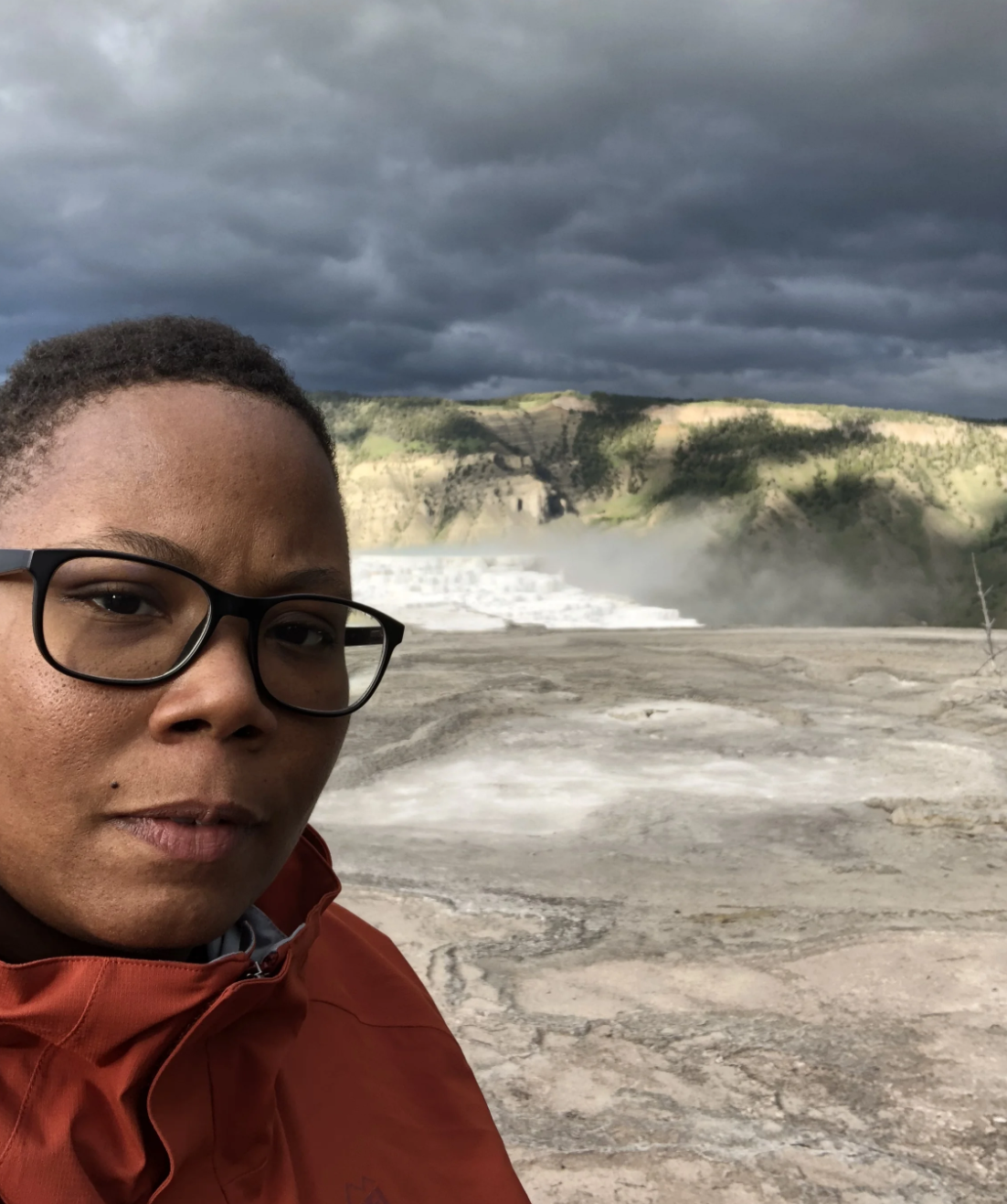
On this episode, we'll examine the relationship between natural history and social history. Join Leah as she sits down with park ranger LaJuan Tucker to talk about the conservation of urban wildlife, and how changing societal attitudes determine how we relate to our landscapes. LaJuan will explain how, in recent years, Austin's Parks and Recreation Department has implemented a new mandate to protect pollinator habitats, even when that means sacrificing the "manicured" look of the park in high-traffic areas.
We'll also zoom out and talk more broadly about the philosophy of conservation today. How should our parklands be used, and who gets to decide? Should we strive to preserve "native" landscapes, or build more community gardens? And how do we reconcile the romance of the Texas landscape with the racist realities of our past? We'll talk about the lingering effects of Jim Crow in Austin, from actual monuments to the Confederacy, to present-day structural inequality. And we'll hear about LaJuan's personal mission to encourage young Austinites of color to seek careers in environmental conservation and city planning. Here, and in upcoming episodes as well, we'll begin to engage with the paradox of Austin as an environmentally progressive, yet very socioeconomically segregated, city.
Below are links to topics discussed:
Park Leaders Show podcast interview with LaJuan
Trust for Public Land document containing stats about city parks in the US
Historical marker for Kincheonville, the freedmen's community established by Thomas Kincheon, a former slave from Mississippi, in southwest Austin shortly after 1865
Organizations mentioned:
Texas Conservation Corps; Austin Youth River Watch; Akins HS Park Ranger Cadet Program
Apps and other wildlife-watching resources:
iNaturalist; Birds of Texas; Audubon guide; iBirds
Local initiatives mentioned:
All about Festival Beach Food Forest
Article from KUT.org about the renaming of Robert E Lee Road
Article from The Nation about how the bond initiative on the ballot in November will address Austin's affordable housing crisis
National Wildlife Federation blog post about the Mayor's Monarch Pledge in Austin
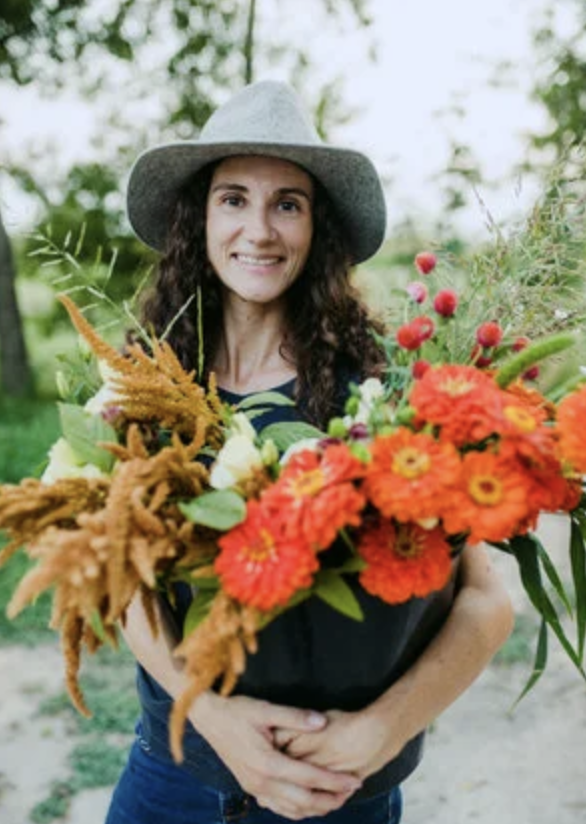
Amaranth to Zinnias with Gretchen O'Neil (2018)
Farmer-florist Gretchen O'Neil dishes the dirt on growing cut flowers. Gretchen is the founder of Petals, Ink, a floral design studio, mobile flower truck, and women-run farm in Manor, Texas. She'll tell us about the highs and lows of the farming life -- extraordinary beauty and terrible uncertainty -- and explain how
working the land has helped this New England native find a sense of seasonality in balmy Central Texas. Of course, she'll also recommend a whole bunch of varieties you can plant from seed right now to get start your own cutting garden -- no greenhouse required!
For more info on Gretchen, visit Petalsinkfloral.com. Pick up Petals bouquets at the Texas Famers Market at Mueller (Sundays 10-2) and the Petals, Ink flower truck at the Tasty Spoon (Thursdays-Saturdays 4-7). Grassdale Farm's Instagram is amazing. Recommended reading: Flower Confidential by Amy Stewart and Floret Farm's Cut Flower Garden by Erin Benzakein.
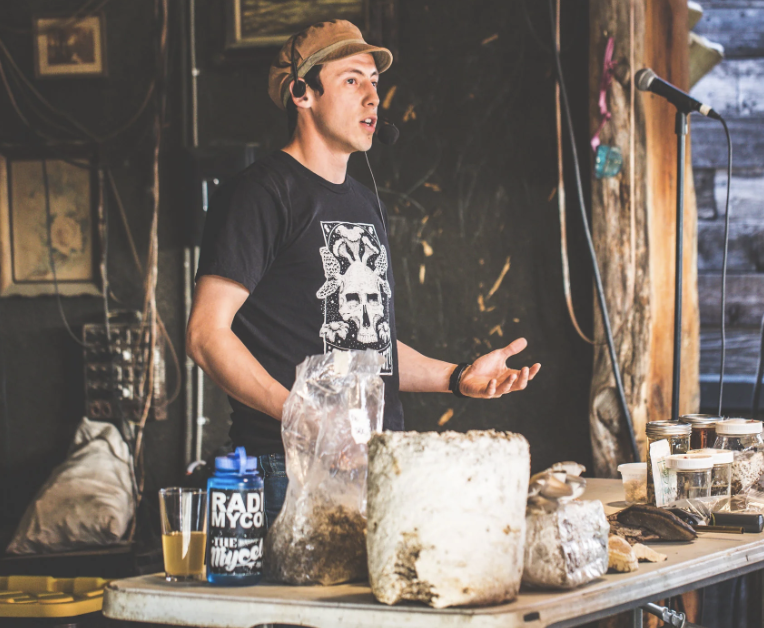
Fungal Vision with Daniel Reyes (2018)
On this episode, we venture into the strange and mysterious kingdom of fungi. Join Leah as she sits down to talk mushrooms with mycologist Daniel Reyes, the founder of MycoAlliance, a science and education company that offers classes in mushroom propagation and conducts research at an off-the-grid laboratory in a nature preserve in east Austin. Daniel is a specialist in Mycoremediation, the practice of using fungi to clean up toxic pollution.
We’ll start with some basic fungi facts (What is a mushroom, exactly?) and learn how easy it is to grow delicious mushrooms in your garden — even in pots! Hear tales of mycological adventure in the Amazon rainforest, learn how mushroom cultivation can help provide disaster relief to earthquake-damaged areas in Mexico City, and get the scoop on the future of fungi!
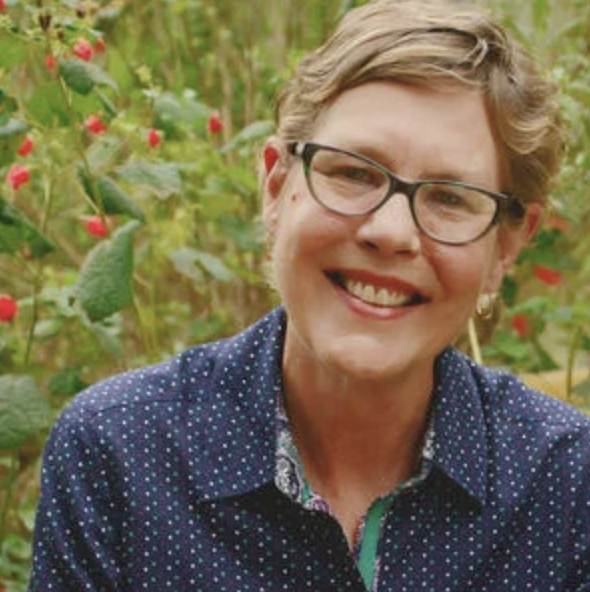
Myths and Misconceptions with Linda Lehmusvirta (2018)
On this episode, meet Linda Lehmusvirta, the producer of KLRU’s Central Texas Gardener. We'll find out what goes on behind the scenes of this long-running, award-winning public television show. Linda’s been producing CTG since the beginning, in the 1980s, when it began as a live call-in show. Viewership has now expanded beyond its namesake region, as CTG now airs weekly on PBS stations from Amarillo to Corpus Christi, and from Myrtle Beach to Tucson. Over the years, Linda has filmed hundreds of gardens, interviewed countless locals, and embarked on a personal garden education of trial and error. Hear about the history of CTG and the many myths and misconceptions Linda’s encountered along the way. Also: How to retain a sense of humor when foul weather, downed limbs, or busted pipes destroy your best-laid garden plans.
Healing Spaces with Jenny Peterson (2018)
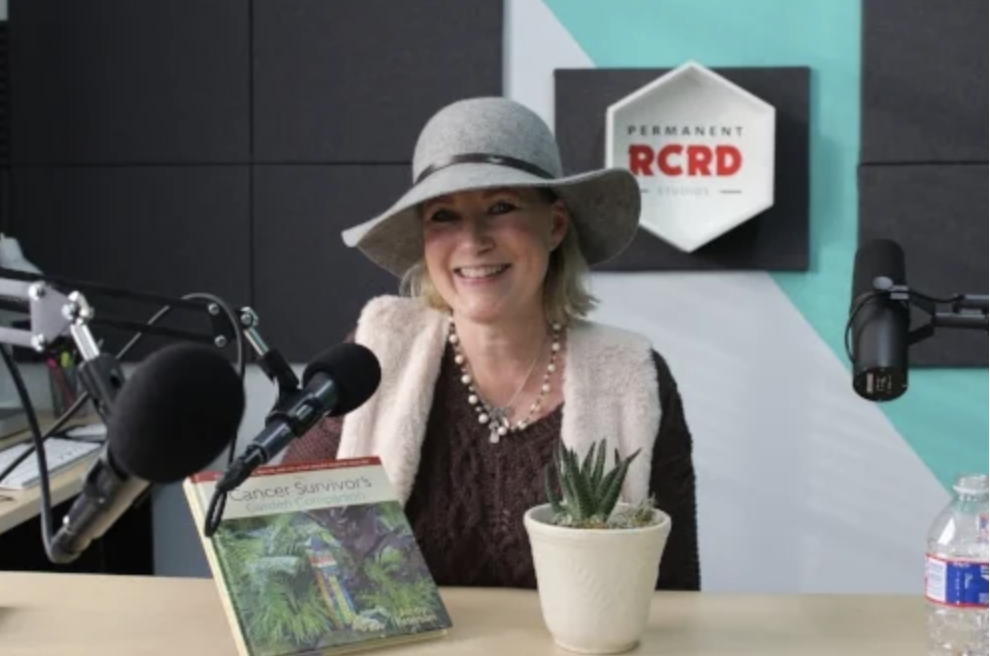
Garden therapy! Hear about the healing power of gardening with Jenny Peterson, author of The Cancer Survivor's Garden Companion (St. Lynn's Press, 2016). As a landscape designer, urban farmer, and breast-cancer survivor, Jenny has unique insight on the healingpotential of outdoor spaces. She explains how to find relief in the garden, whether you're experiencing illness, stress, grief, anxiety, or depression. For many reasons, working with plants can help us clear mental fog, process feelings, and gain perspective on the rhythms of life. Plus: baby goats.
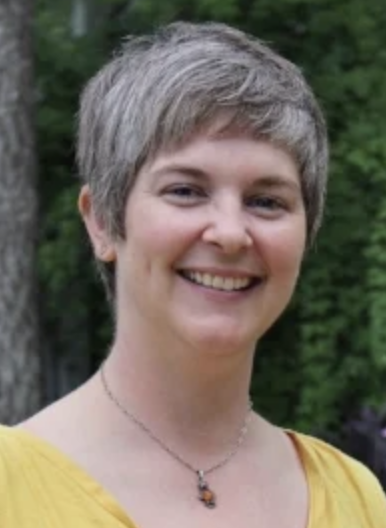
Welcome to the first episode of Hothouse, a podcast about design, ecology, and the way we garden now. Join your host, Leah Churner, as she sits down with organic gardening aficionado Colleen Dieter of Red Wheelbarrow Landscape Consulting to talk about the joys of seed saving, cultivating a rich sense of place, and how “now, more than ever, gardening is a political act.”